Local Support Slot Sources for Emerging Bands
25 September 2026
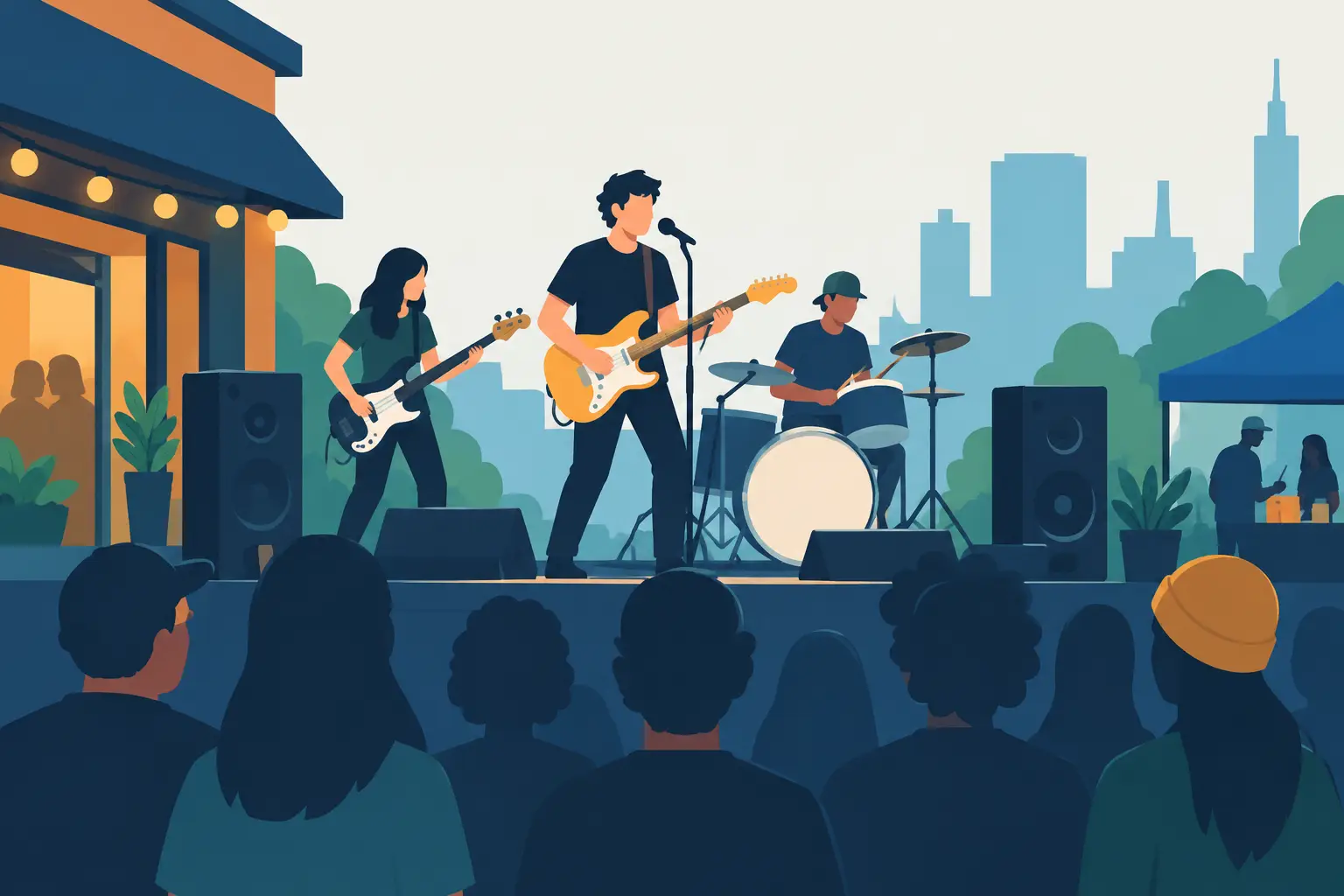
A good support slot can change how your local scene sees you. You are playing to a room that already came out for live music, sharing a bill with artists whose audience may actually suit your sound, and proving you can deliver under real gig conditions. The challenge is that the best local support slot sources are rarely sitting in one obvious place. They live in relationships, repeat bookings, event listings and the small decisions made by promoters every week.
For emerging bands and solo artists, the aim is not to chase every available slot. It is to become an easy, credible choice when the right one appears.
What makes a support slot worth taking?
Not every opening gig moves your project forward. A useful support slot puts you in front of a relevant crowd, connects you with organisers who run more than one night, or gives you genuinely strong material for your artist CV. Sometimes it does all three.
A packed room is great, but audience fit matters more than raw numbers. If you make atmospheric indie-pop, opening for a loud punk bill may still be fun, but it may not create many new listeners or useful follow-ups. The same goes for genre labels. Look beyond them. Consider energy, age range, venue culture and whether the headliner’s audience is likely to arrive early.
Also weigh up the practical side. A badly timed unpaid slot that costs a fortune in travel, requires an unrealistic ticket commitment and offers no proper promotion can drain energy from better opportunities. Early-stage artists do sometimes play for little or no fee, but that should buy something meaningful: a respected room, a trusted promoter, quality footage, a relevant audience or a relationship that can grow.
The best local support slot sources are people, not posts
Social posts asking for bands can be useful, especially for last-minute line-up changes. But they are competitive, easy to miss and often attract hundreds of replies. The more dependable route is becoming familiar to the people who build local bills.
Promoters and independent venues
Promoters need artists who reply quickly, turn up prepared, promote responsibly and make the night better. They are not only looking for the biggest online following. Many are looking for dependable acts that fit a bill and are pleasant to work with.
Start by attending nights you would realistically want to play. Notice who is promoting them, how the line-ups are structured and which venues regularly programme emerging talent. Introduce yourself after the show when people are not rushing through a soundcheck. Keep it simple: say you enjoyed the night, mention your project and ask how they prefer artists to submit music.
When you follow up, send one short message with a clear live video, a brief description of your sound, your location and any relevant recent shows. Do not send a huge attachment dump or a biography that makes the promoter hunt for the important details. Make booking you feel straightforward.
Artists already on the circuit
The band above you on a future bill may be one of your strongest sources of opportunities. Artists often know which promoters are approachable, which venues need reliable support, and when a support act has had to pull out. They also curate their own headline shows and may want an opener they trust.
Build this network by showing up beyond your own set. Stay to watch other artists, share a genuine message after a good show and offer practical support when it makes sense. A thoughtful recommendation, a rehearsal-room introduction or a shared bill can build more goodwill than a generic networking pitch.
The key is to be part of the scene rather than appearing only when you need something. People remember the artists who add energy to a night.
Open mics, jams and showcase nights
Open mics and jam sessions are not just for first performances. They are active meeting points for singers, instrumentalists, hosts, venue teams and musicians who may need a support act, dep or collaborator. A strong three-song set can lead to conversations that no cold email creates.
Choose nights that match your goals. A writers’ round may suit a solo songwriter looking for acoustic support opportunities. A full-band showcase or genre-specific jam may be better for a project that needs to demonstrate stage chemistry. Go regularly enough to become recognisable, rather than treating every event as a one-off audition.
Build a booking-ready presence before you ask
Promoters make fast decisions. If they discover you through a recommendation or an event listing, they should be able to understand your project in under a minute.
Your public artist profile should show what you sound like live, where you are based, who is in the act and what kind of bills make sense for you. Include a recent live clip with usable audio, not only a polished studio track. List notable shows, trusted recommendations and any practical details that help a booker, such as your usual set length and whether you can supply backline.
This is where a music-focused digital CV earns its place. A Groovecard on Groovehub can bring your live clips, experience, skills and recommendations together, while the platform’s city-based event discovery helps you spot sessions and shows where real connections happen. It gives people a clearer reason to remember you after a quick conversation.
Keep your materials current. If your best video is two years old and your line-up has changed twice since then, it creates uncertainty. You do not need a perfect press campaign. You need an accurate picture of a project ready to play.
How to approach promoters without sounding like everyone else
A useful pitch is specific, brief and grounded in the promoter’s night. Mention the event or artist that makes the fit sensible. Then show why your act can support the bill - musically, geographically and practically.
For example, instead of saying, “We would love to play any gigs you have,” explain that you saw their recent alt-pop bill, that your four-piece has a 30-minute live set suited to the opening position, and that you can share a current live clip. That is more helpful than enthusiasm alone.
Timing matters too. Do not only contact a promoter the day before a major show. Reach out after attending a night, when a new event is announced, or a few weeks ahead of dates you can see are being built. If the answer is no, thank them and stay visible by supporting future events. A no often means “not this bill”, not “never”.
Avoid treating ticket sales as the only measure of your value. Promoters care about turnout, but they also care about punctuality, communication, audience behaviour and whether an act helps promote the night with honesty. Promise only what you can deliver. Inviting twenty local listeners is better than claiming you can fill a room and then disappearing.
Turn one slot into the next opportunity
The work does not end when you leave the stage. Arrive on time, respect the sound engineer, watch the headline act and thank the promoter before you go. These basics are not glamorous, but they make you easy to book again.
Capture the outcome while it is fresh. Save a good photo, note the venue and date, ask the organiser if they are happy to provide a short recommendation, and follow the artists you met. If someone mentioned a future night, send a short message within a couple of days rather than waiting until the trail goes cold.
You should also review whether the slot was right for you. Did people stay for your set? Did you gain local followers, meet potential collaborators or get invited back? A quiet room is not automatically a failed gig if the promoter was impressed and the connections were strong. Equally, a busy night is not a win if the bill had no musical overlap and nobody remembers your project.
Common mistakes that slow momentum
The fastest way to burn through local goodwill is to treat every organiser as a faceless gatekeeper. Copy-and-paste messages, late arrivals, poor communication and overpromising all travel quickly through a close scene. So does the opposite: being prepared, appreciative and reliable.
Another mistake is waiting until everything feels finished. Your songs, branding and stage set will develop through performance. Get out when you have a confident, rehearsed set and an honest profile, then improve it with every show.
Finally, do not spread yourself across every possible genre night just to get on stage. A smaller, well-matched support slot can create repeat relationships. That is usually more valuable than a random line on a gig history.
The strongest local music careers are built through repeated participation. Be visible at the rooms you care about, make it easy for people to hear and trust your work, and leave every bill with at least one real connection worth following up.